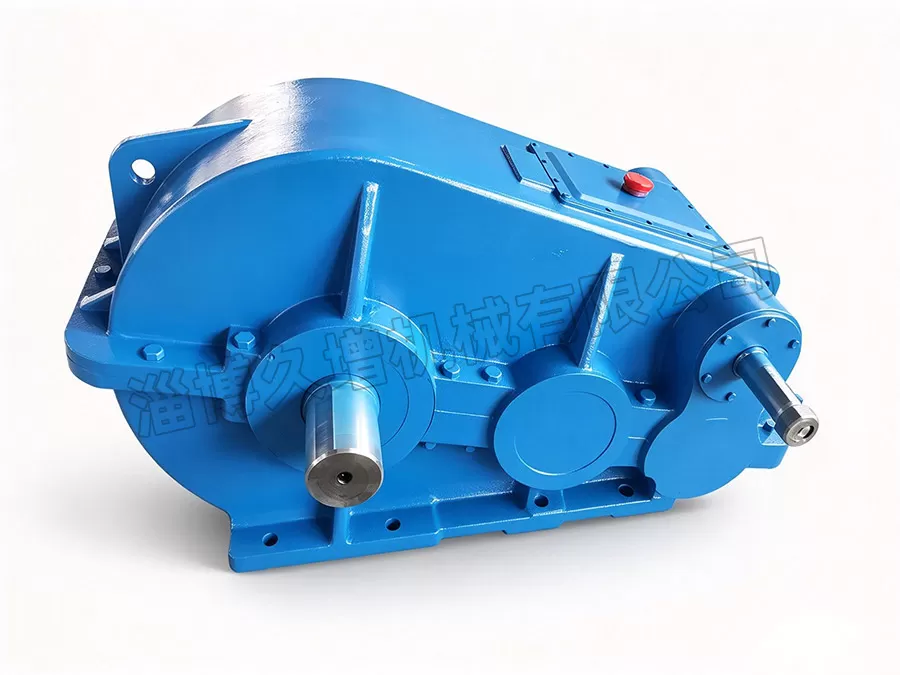
What are the characteristics of soft-tooth surface reducers and hardened gear reducers respectively?
Gear drives are generally classified into two categories according to tooth surface hardness: hardened gear drives and soft-tooth surface gear drives.
A pair of meshing gears with both tooth surfaces harder than 350 HBS are defined as hardened gears; otherwise, they are soft-tooth surface gears.
The selection of gear drive type depends on design requirements. Both types have their respective advantages and disadvantages. Hardened gear drives feature high load capacity and long service life, so they are widely used. A wide range of materials and heat treatment processes are available for hardened gears. Common examples are as follows: steels such as 40Cr, 45# and 45Mn2 can be subjected to final heat treatment including high-frequency tempering or nitriding; steels like 20Cr, 20CrMnTi, 20CrMnVB and 20CrNiH are suitable for carburizing and quenching; 38CrMnAl can adopt nitriding to achieve high hardness. Special materials require dedicated heat treatment processes.